共 Collaboration
啞仔食黃蓮A bitterness only you know
- When
- With
- 港‧傳承 Kontinue
- Column
- 《安捷街》
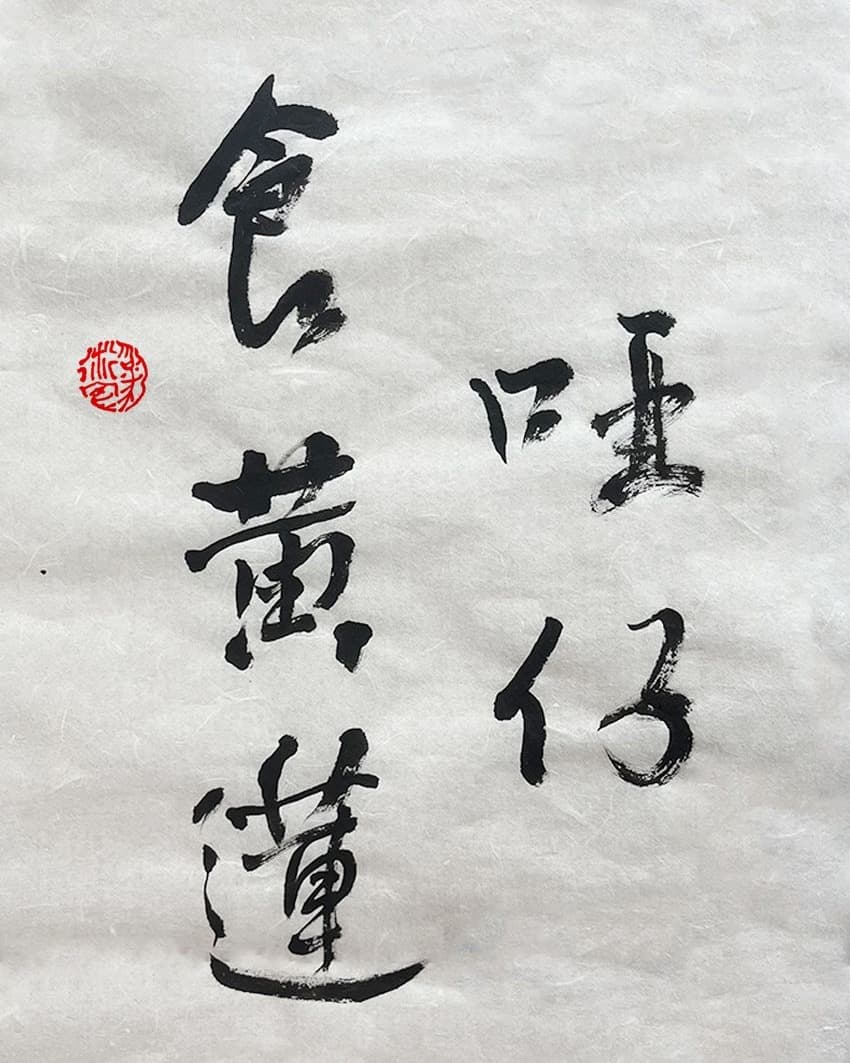
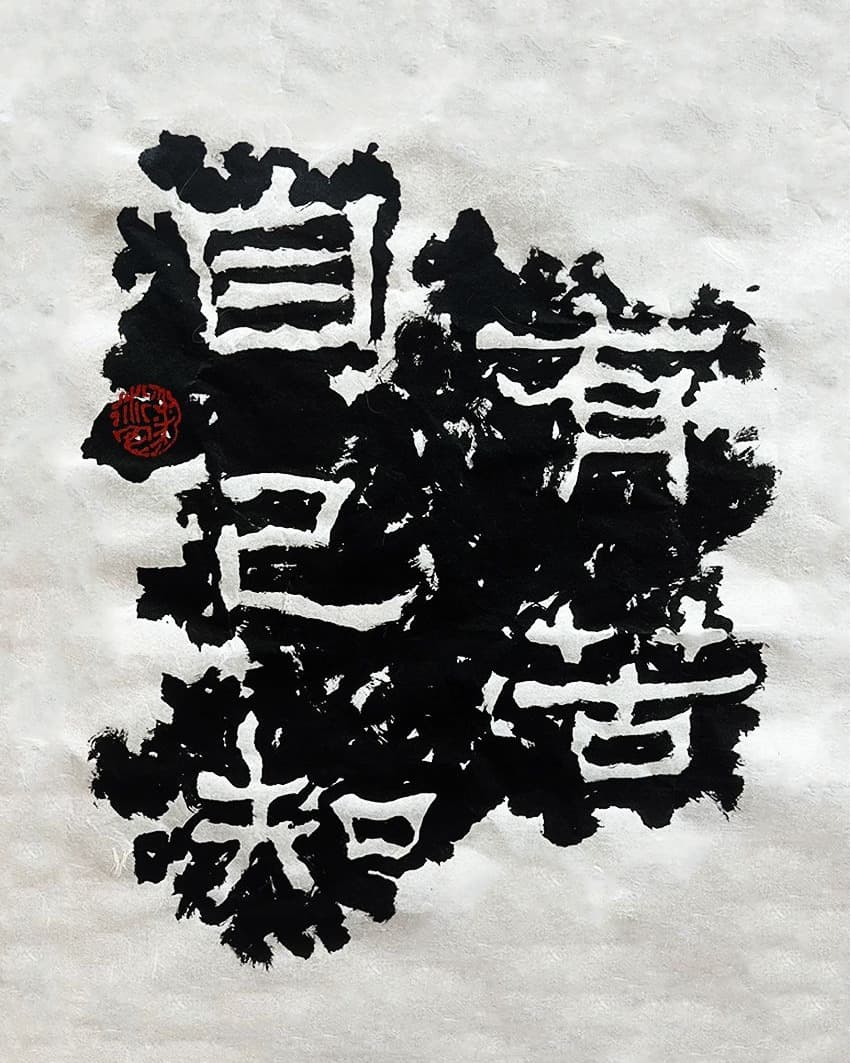
Arion wrote the saying 啞仔食黃蓮 —— 有苦自己知 in two parts for 港‧傳承 Kontinue, with an essay on the pain people carry without speaking of it.
原文English translation
歇後語:啞仔食黃蓮 —— 有苦自己知
A two-part saying: the mute eats coptis — only he knows the bitterness
上半句(迷面):啞仔食黃蓮
First half (the riddle): the mute eats coptis
這句話的意思很形象化,當啞巴吃了黃蓮,黃蓮本身極苦,但因為啞巴不能說話,無法把苦味表達出來,只能默默承受。
The image is vivid. Coptis (黃蓮) is intensely bitter, but a mute who eats it cannot speak, so he has no way to express the bitterness and can only bear it in silence.
下半句(迷底)
Second half (the answer)
比喻人在遭遇痛苦或委屈時,無法向外人訴說,只能自己知道、自己承受。
It describes someone who, meeting pain or injustice, cannot speak of it to others: only they know it, and they alone carry it.
用法與寓意
Usage and meaning
- 常用來形容心中有苦卻不能說出口的情境。Often used for moments when there is pain in the heart that cannot be spoken aloud.
- 也可用於隱忍、無法表達的委屈,例如在工作或人際關係中,明明受了不公平待遇,但因種種原因不能公開抱怨。Also for grievances held back and left unsaid: at work or in relationships, for example, when someone has clearly been treated unfairly but, for one reason or another, cannot complain openly.
- 帶有一種無奈與隱忍的哲理意味,提醒人世間有些苦只能自己消化。It carries a philosophy of helplessness and endurance: a reminder that some hardships in life can only be digested alone.
「啞仔食黃蓮——有苦自己知。」形象地道出了許多人心中的無奈:痛苦難以言說,只能默默承受。幾日前香港在短短8小時內有3宗疑似自殺的個案,分別在柴灣小西灣道、東涌逸東邨和沙田美田邨先後有3名31歲至50歲的男士因從高處墮下或上吊而結束生命。提醒我們,情緒困擾往往不是因為痛苦不存在,而是因為痛苦被深藏心底,無人知曉。
“The mute eats coptis — only he knows the bitterness.” The saying captures a helplessness many people carry: pain that is hard to put into words, and can only be borne in silence. A few days ago, within just eight hours, Hong Kong saw three suspected suicides: on Siu Sai Wan Road in Chai Wan, at Yat Tung Estate in Tung Chung and at Mei Tin Estate in Sha Tin, three men aged 31 to 50 ended their lives by falling from a height or by hanging. It reminds us that emotional distress is often not a matter of pain being absent, but of pain being buried deep inside, where no one knows of it.
或許是害怕被誤解,或許是缺乏安全的環境,又或是文化上的隱忍,甚至是自我責備。可是,沉默並不能減輕痛苦,反而讓人更加孤立。傾訴不是軟弱,而是一種勇氣。分享心境能讓壓力減輕,也能避免陷入孤單的深淵。
Perhaps it is fear of being misunderstood, perhaps the lack of a safe place to speak, perhaps a cultural habit of enduring, or even self-blame. But silence does not ease pain; it only isolates us further. Speaking up is not weakness but a kind of courage. Sharing what we feel can lighten the pressure, and keep us from falling into the depths of loneliness.
最後筆者想分享最近讀的一段文章 -《當下的力量》埃克哈利‧托利 - 關於「接納過去」:我始終認為,所謂的「後悔」其實是在苛責過去的自己。人生不可能每一步都正確,我不願回頭批判當時的選擇,也不覺得有什麼值得抱怨。我坦然接受並承擔自己曾有的認知與決定。既然如此,也就沒有必要自責。若能重來一次,以當時的閱歷與心智,我依然會做出同樣的選擇。
Finally, I would like to share a passage I read recently, from Eckhart Tolle’s The Power of Now, on “accepting the past”: I have always believed that what we call regret is really a way of being harsh with our past selves. No one gets every step of life right. I do not want to look back and judge the choices I made then, nor do I feel there is anything to complain about. I openly accept, and take responsibility for, the understanding and the decisions I had at the time. That being so, there is no need to blame myself. If I could do it again, with the experience and state of mind I had then, I would make the same choice.
我們不能站在今日的高度去否定昨日的自己。要明白,人生沒有白走的路。所有的遺憾與痛苦,都是必經的歷程。人生從來沒有絕對正確的選擇,唯有讓選擇因我們的承擔而變得正確。山有頂峰,湖有彼岸,在漫長的人生旅途中,萬物皆有回轉,人生亦自有高峰。
We cannot stand where we are today and dismiss who we were yesterday. No step on the road of life is wasted; every regret and every pain is part of the way we had to walk. There is never an absolutely right choice in life, only choices made right by our willingness to carry them. Mountains have peaks and lakes have far shores; on the long journey of life, all things come round again, and life has heights of its own.
如你或身邊的人正感到困擾,可致電「情緒通」精神健康支援熱線 18111,或撒瑪利亞防止自殺會 2389 2222(24小時)。If you or someone near you is struggling, in Hong Kong you can call the Mental Health Support Hotline on 18111, or the Samaritan Befrienders Hong Kong on 2389 2222, 24 hours a day.
 First published on Instagram
相關 · Related